x

Data Segmentation

Definition and Explanation

Data Segmentation involves dividing large datasets into smaller, more manageable segments. Businesses use specific criteria such as demographics, behaviors, and preferences to categorize data. This process, called data segmentation, enables companies to target specific groups effectively.

Key Components of Data Segmentation

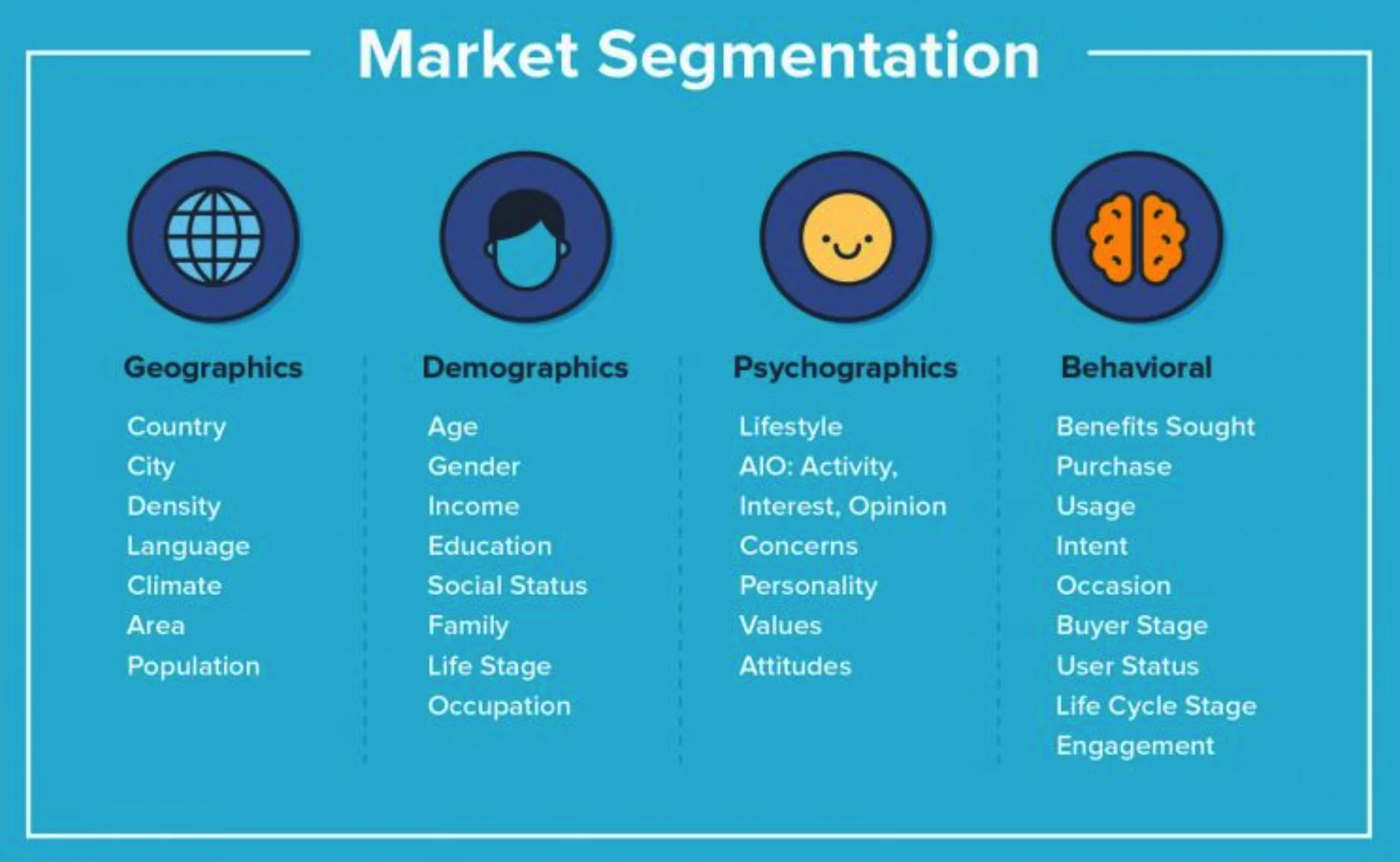
Key components of data segmentation include demographic, psychographic, behavioral, and geographic segmentation. Demographic segmentation focuses on attributes like age, gender, and income. Psychographic segmentation considers lifestyle and personality traits. Behavioral segmentation examines purchasing patterns and usage rates. Geographic segmentation categorizes data based on location.

Common Methods Used

Common methods used in data segmentation include clustering, decision trees, and regression analysis. Clustering groups similar data points together. Decision trees help in making predictions based on data attributes. Regression analysis identifies relationships between variables. These methods enhance the precision of segmentation efforts.

Benefits for Businesses


Improved Targeting and Personalization

Data segmentation empowers businesses to enhance targeting and personalization efforts. Companies can tailor marketing strategies to specific audience segments. This approach leads to a more personalized customer experience. Businesses that implement customer segmentation see an increase in conversion rates. A targeted strategy often results in higher customer satisfaction. Companies report a 23% increase in open rates and a 49% jump in click-through rates. These statistics highlight the effectiveness of precise audience targeting.

Enhanced Decision-Making

Data segmentation aids businesses in making informed decisions. Segmenting audience data allows companies to identify high-value customer groups. Understanding customer needs and preferences becomes easier. Businesses can allocate resources more efficiently. Enhanced decision-making leads to better customer experiences. Companies achieve improved return on investment (ROI) through strategic segmentation. Data-driven decisions contribute to long-term business success.

Impact on Data Analysis


Increased Accuracy

Data segmentation improves the accuracy of data analysis. Businesses can categorize audience data based on specific criteria. This process reduces errors and enhances data reliability. Accurate data analysis provides valuable insights into customer behavior. Companies can predict trends and adapt strategies accordingly. Improved accuracy leads to better customer understanding. Businesses can anticipate customer needs and respond effectively.

Better Insights

Data segmentation offers businesses deeper insights into audience behavior. Companies can analyze segmented data to uncover patterns and trends. These insights help businesses refine marketing strategies. Understanding customer motivations becomes more achievable. Companies can develop products and services that align with customer preferences. Better insights lead to increased lead generation and revenue growth. Businesses can achieve their goals by leveraging customer segmentation effectively.

How to Implement Data Segmentation

Implementing data segmentation involves a structured approach to ensure effectiveness. This section provides a step-by-step guide and highlights essential tools and techniques for successful implementation.

Step-by-Step Guide


Identifying Segmentation Criteria

Businesses must first identify the criteria for segmentation. These criteria can include demographics, purchasing behaviors, or geographic locations. The selection of criteria depends on business goals and customer profiles. Clear criteria help in creating meaningful segments that align with strategic objectives.

Collecting and Analyzing Data

Data collection is a crucial step in the segmentation process. Businesses gather data from various sources such as customer surveys, transaction records, and online interactions. After collection, data analysis helps in identifying patterns and trends. This analysis forms the basis for segment creation. Accurate data analysis ensures that segments reflect true customer characteristics.